Writer · Former Music Producer · United Kingdom
Jon Cohen
I write about belief — how it actually forms, why it isn’t something we choose, and what follows once you accept that.
The Book
A book for anyone who’s doubted — or been judged for it
Unconvinced
How Belief Is Not a Choice and Why That Changes Everything
If you’ve ever questioned what others accept, or felt the pressure to believe what you don’t, this book is for you. Unconvinced defends the moral value of honesty — even when that honesty leads to doubt.
Drawing on philosophy, psychology, neuroscience, and theology, it argues that belief is not something we pick. It is what happens to a mind that has been convinced. And any system that rewards or punishes people for what they believe is, for that reason, unjust.
It is not a case against religion. It is a case for sincerity: that we should be judged by our honesty, our integrity, and our moral effort — not by the conclusions our minds arrive at.
“This book introduces and develops an interesting line of criticism against the widespread religious belief that God judges us for what we believe. Beautifully constructed and tightly argued. A very enjoyable read.”
Stephen Law, Royal Institute of Philosophy
Publication details
- Title
- Unconvinced
- Subtitle
- How Belief Is Not a Choice and Why That Changes Everything
- Author
- Jon Cohen
- Publisher
- Prometheus Books
(Globe Pequot Publishing Group) - Pub date
- 17 November 2026
- Format
- Hardcover · ebook
- ISBN
- 978-1-4930-9632-9
ebook 978-1-4930-9633-6 - Publicity
- [email protected]
The Argument
What do you mean we don’t choose what we believe?
Belief doesn’t work like a choice. It’s not something you pick, like a meal or a team to support. Belief is what happens to your brain when you become convinced by something. By evidence. By an argument. By your experience. By your emotions or upbringing.
But if you’re not convinced, then belief is not possible. You can’t just summon it at will. And yet many religious traditions treat belief as a moral decision — the decisive line between salvation and damnation. What kind of system punishes you for something you couldn’t control?
A demonstration · ten seconds
Right now, decide to believe that the room you are in has no floor.
Not pretend. Not say the words. Actually believe it.
Nothing happened.
You can say the sentence. You can want it to be true. You can even be rewarded handsomely for it. But the conviction doesn’t arrive, because belief isn’t a thing you do — it’s a thing that happens to you when you’re persuaded.
That’s the whole book, in one click.
For podcast hosts, producers & press
Everything you need to book me, on one page
Copy any of the bios below straight into your show notes. For anything else — a review copy, an embargoed excerpt, a different photograph — just ask.
Audience
- YouTube
- 3.5M views per month
- Watch time
- 493,000 hours per month · ~8½ min average view
- Subscribers
- 36,700, growing ~3,600 a month
- All platforms
- 60,000+ across YouTube and TikTok, in little over a year
- Territory
- Majority United States
Author bios
One line
Jon Cohen is the author of Unconvinced: How Belief Is Not a Choice and Why That Changes Everything (Prometheus Books, 2026), and a longtime writer on belief, doubt, and reason.
Short · ~50 words
Jon Cohen is the author of Unconvinced: How Belief Is Not a Choice and Why That Changes Everything (Prometheus Books, November 2026). A former award-winning music producer, he now writes and speaks on belief and reason, and has written for The Skeptic and Skeptical Inquirer. He lives in the UK.
Full · ~170 words
Jon Cohen is a writer and lifelong questioner, and a former award-winning music producer. Alongside that career he spent decades advocating for science, reason, and critical thinking, with articles published in The Skeptic and Skeptical Inquirer.
His first book, Unconvinced: How Belief Is Not a Choice and Why That Changes Everything (Prometheus Books, November 2026), draws on philosophy, psychology, neuroscience, and theology to argue that belief is not something we choose — and that any system which rewards or punishes people for what they believe is therefore unjust. Stephen Law of the Royal Institute of Philosophy calls it “beautifully constructed and tightly argued.”
Jon didn’t set out to attack religion, only to defend sincerity. He lives in the UK with his family and two indignant Burmese cats.
What I can talk about
- 01Why Belief Is Not a ChoiceWhy we cannot simply decide what we find convincing—and what actually causes beliefs to change.
- 02The Moral Problem with Salvation by FaithWhy it is unjust to make salvation depend upon accepting claims that a person may be genuinely unable to believe.
- 03Can We Be Responsible for What We Believe?Does it make sense to hold a person responsible for what they believe (or don’t)?
- 04Is Faith Really a Virtue?Whether believing without sufficient evidence deserves moral praise—and whether honest doubt deserves condemnation.
- 05Why Losing Faith Can Cost So MuchHow belief becomes entangled with identity, family and community—and why admitting disbelief can carry profound personal consequences.
- 06Why This Isn’t an Argument about Free WillWhy you can act freely and still not choose what you find convincing.
Questions that make a good episode
- The subtitle of your book says that belief is not a choice. Why isn’t it?
- Don’t people sometimes decide to change their beliefs—or describe themselves as choosing faith?
- Are you saying that people have no responsibility at all for how they form their beliefs?
- Why does the involuntary nature of belief create a moral problem for salvation by faith?
- What harm is caused when families and religious communities treat doubt as a character defect or a sin?
- If we stop judging people by their beliefs, what should we judge them by instead?
Photograph
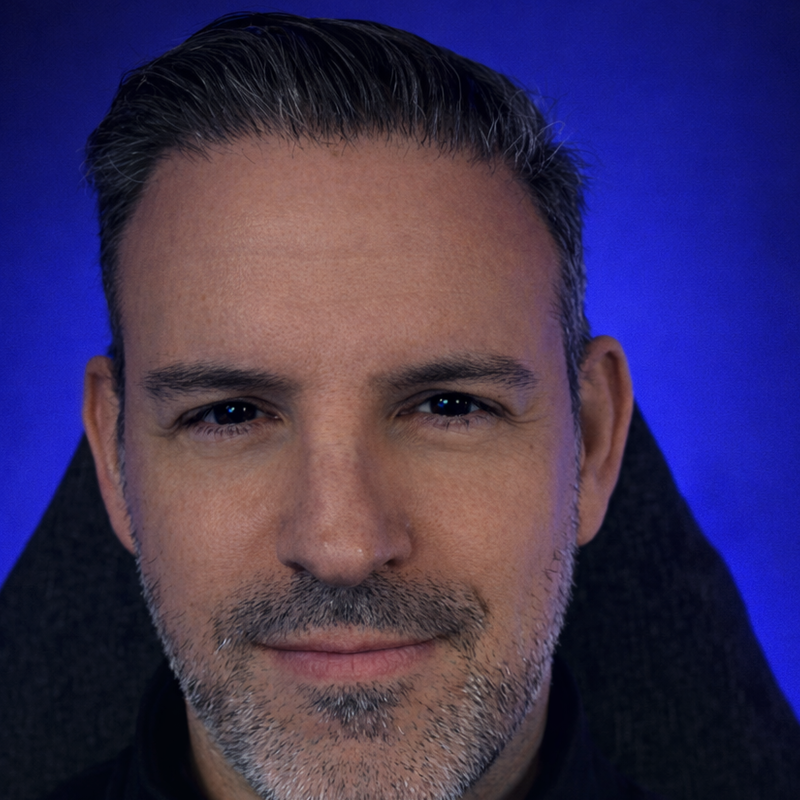
Press photograph · 2321 × 1932 px. Free to use — please credit “Photo: Jon Cohen”.
Download full size →Recording logistics
- Based in
- United Kingdom
- Time zone
- GMT / BST (UTC+0 / +1)
- Microphone
- Shure SM7B
- Platform
- Riverside, Zoom, SquadCast —
or whatever your show runs on - Format
- Remote, video or audio
- Booking
- [email protected]
Appearances
Recent conversations
Contact
Get in touch
Podcast bookings, interview requests, review copies, speaking, and anything else — [email protected].
If you’ve read the book and want to argue with it, that address works too. I’d rather hear a good objection than a compliment.